




Vodka Mule: What It Is and How It Differs From a Moscow Mule
 Story by:
Editorial Department
Story by:
Editorial Department
A vodka mule sounds like its own drink, but in most cases, it’s just the plainspoken version of a Moscow Mule, a classic vodka cocktail. Same build. Same kick. Same cold, gingery snap. The difference lies entirely in the name.
That’s why the term shows up so often in searches online. Some people know the cocktail by its traditional name. Others simply refer to it by the base spirit. They are usually looking for the indgredients in a vodka mule, a Moscow Mule description, or a quick answer on whether a vodka mule and a Moscow Mule are actually the same thing. And, in virtually every case, they are.
Quick Answer
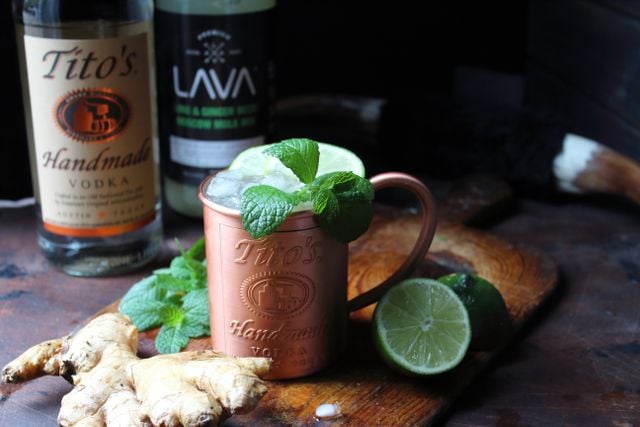
A vodka mule is simply vodka, ginger beer, lime juice, and ice. That’s really it. In most cases, it’s the same drink most people already know as a Moscow Mule. The term “vodka mule” is just more direct.
Vodka Mule Cocktail Recipe
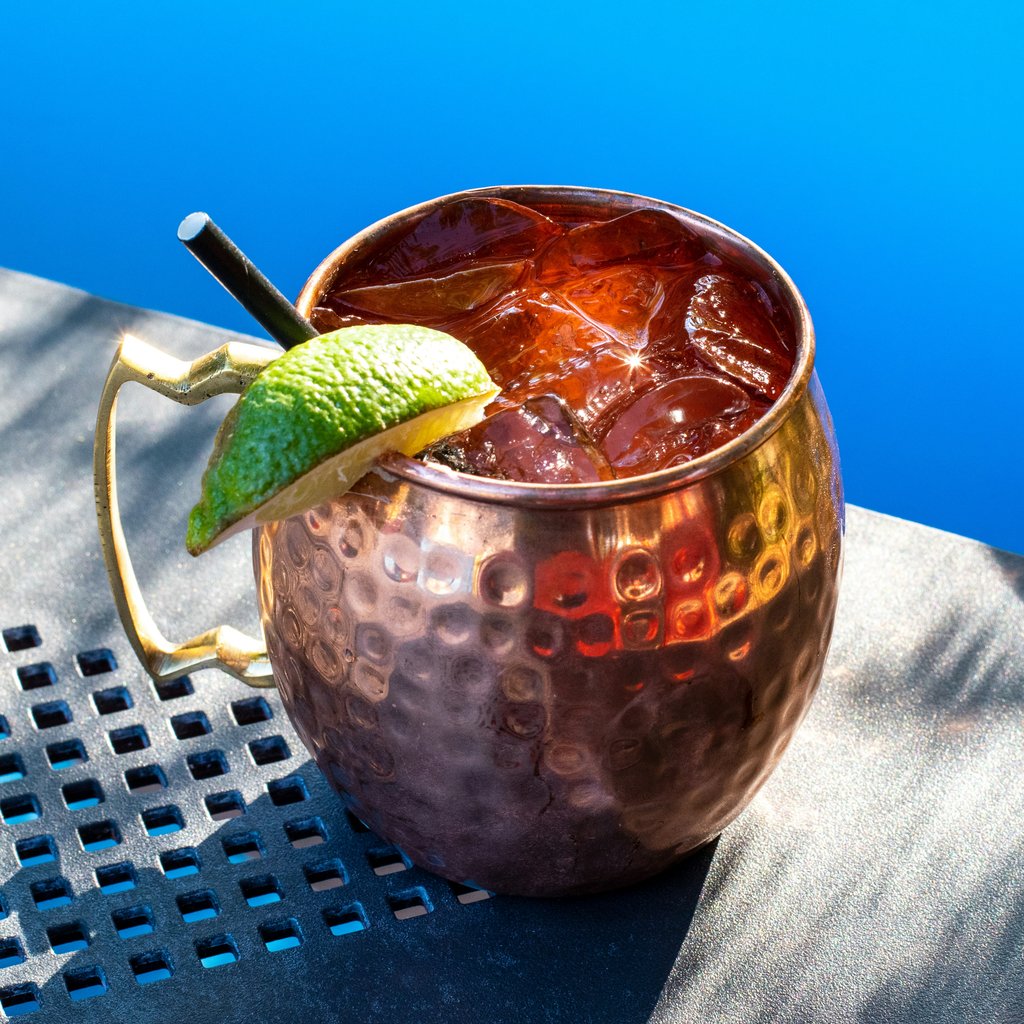
How to Make a Vodka Mule
If want to know how to make a vodka mule, look no further! This is a rare case where the drink is easy as it is flavorful.
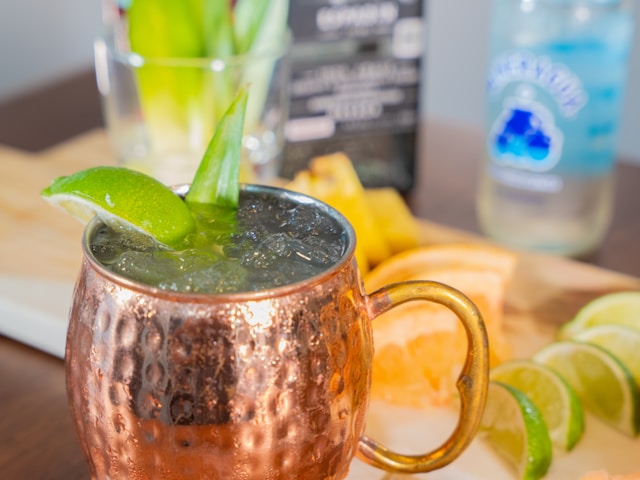
What Is a Vodka Mule?
A vodka mule, more commonly known as a Moscow Mule, is one of those drinks that keeps it simple without feeling unfinished. No syrups, shaker tins, bitters, or atomizers needed. Just vodka, lime, and the best ginger beer you can find.
It's crisp. It's sharp. It leads with a ginger bite up front, followed by the zing of citrus, which perfectly hides the alcoholic burn from the vodka. It's a simple cocktail, but not a boring one.
In practical terms, it's the same base drink as a Moscow Mule, but the traditional name has more history behind it while the newer phrasing is more literal. That's all there is to it.
Vodka Mule vs Moscow Mule
The difference between a vodka mule and Moscow Mule is mostly naming, not ingredients. Same flavor profile. Same build. Same effortless assembly.
Both are made with vodka, ginger beer, lime juice, and ice. Both are also often served in copper mugs, though the mug is more about aesthetics rather than the actual recipe. Both are meant to be cold enough to sting your hand a little yet bright enough to keep the cocktail easy-drinking.
The only real difference is the label. “Moscow Mule” is the classic name while “Vodka mule” is the more literal one.
Why Some People Say “Vodka Mule”
In part, we can thank the Moscow Mule's success for the rise of the term “vodka mule.” After Moscow Mules exploded in popularity, "mule" became shorthand for any drink that has lime and ginger beer in it. While some have other region-based names (like the Kentucky Mule, which has bourbon, lime juice, and ginger beer), some are just the name of the spirit followed by the word "mule." For instance, if you asked your bartender for a mezcal mule, they would almost certainly know to mix mezcal with ginger beer and lime, even if they've never made that exact drink before.
Eventually, that naming logic got applied to vodka, even though that version already had an established name. Some bars and brands also prefer not to lean too hard on the geographic element of “Moscow Mule.” So they go with the simpler version. Same drink. Cleaner wording.
That’s also why branded searches like “Cutwater Vodka Mule,” “Cutwater Spirits Vodka Mule,” and “vodka mule Cutwater” make sense. They are product-friendly phrases: straightforward, easy to recognize, and easy to sell. If you're picky about the vodka you drink, you could also clear up confusion by ordering by vodka brand and adding "mule" to the end, (e.g., "One Tito's Mule, please").
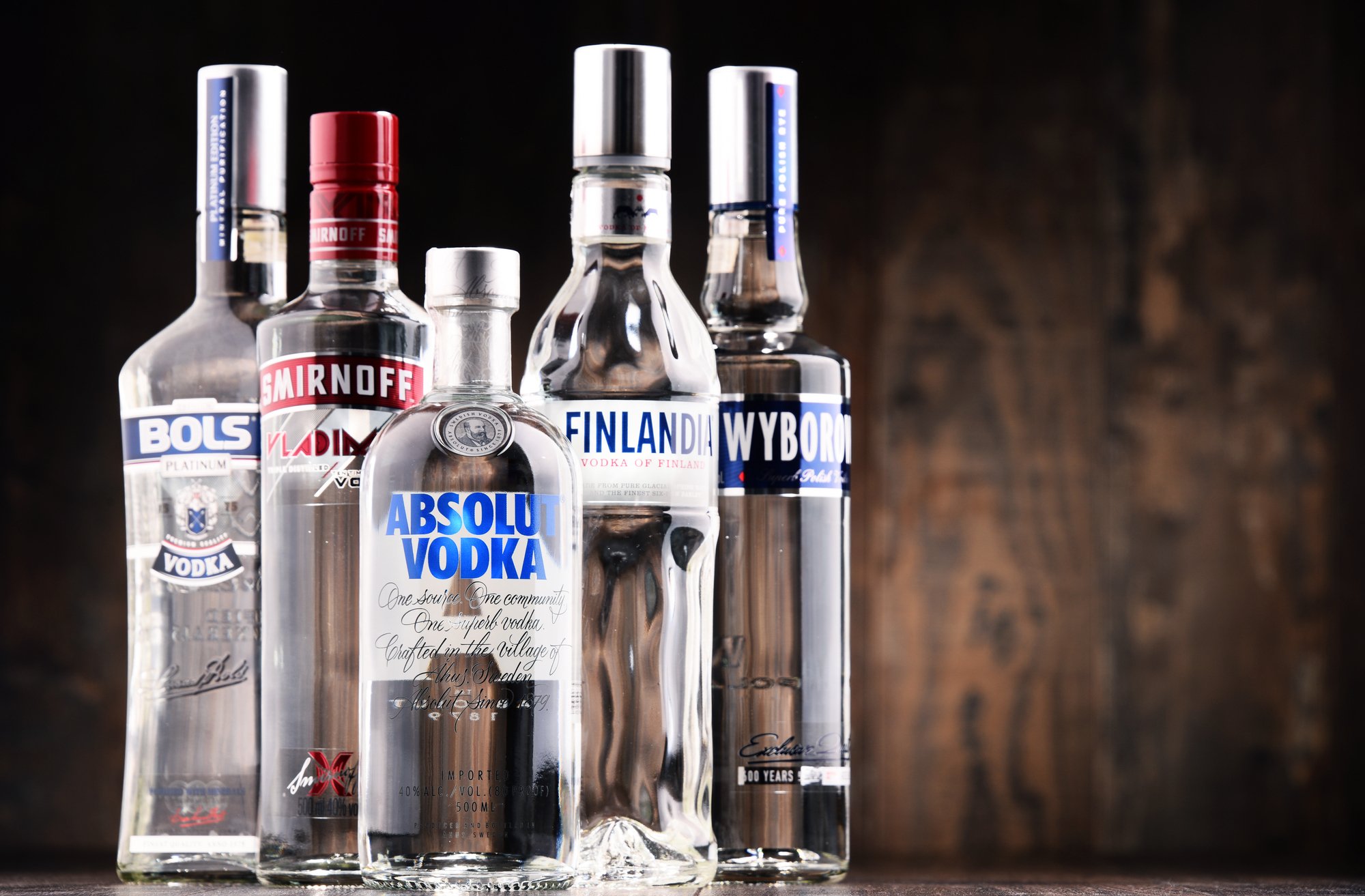
Best Vodka for a Vodka Mule
The best vodka for a vodka mule does not need to be the most expensive or prestigious bottle on the shelf. A mule made with a $30 bottle of vodka will taste almost identical to one made with a $150 bottle of vodka. All that really matters here is that the vodka doesn't taste outright bad.
A mule doesn't need a showy bottle. It just needs a clean and simple base. It’s also usually best to skip flavored vodkas. You want something clean that stays out of the way and lets the lime and ginger do their jobs. The vodka dissolves into the background, so there’s no need to break the bank on a premium bottle.
Variations of a Vodka Mule
The beauty of simple drinks like the mule is that all it takes is one subtle modification to create a variation that has its own unique identity. Here are some easy starting points. And of course, you can always come up with your own!
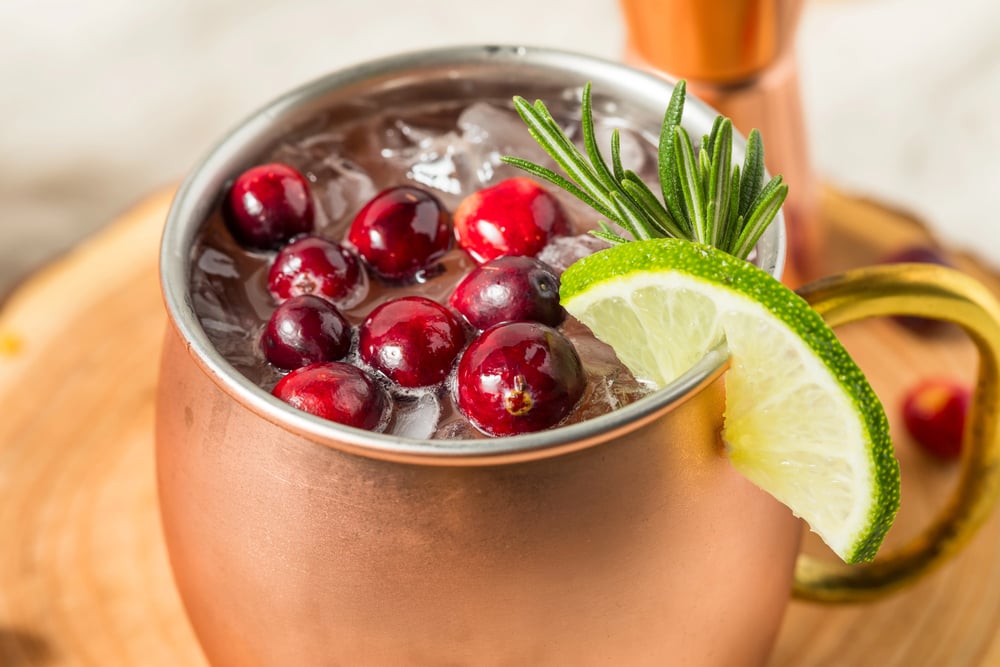
Cranberry Vodka Mule
Add a splash of cranberry juice, and the drink becomes tarter, deeper, and more colorful.a little cranberry goes a long way. Try to keep it to less than one ounce; otherwise, the tartness of the cranberry will dominate the drink.
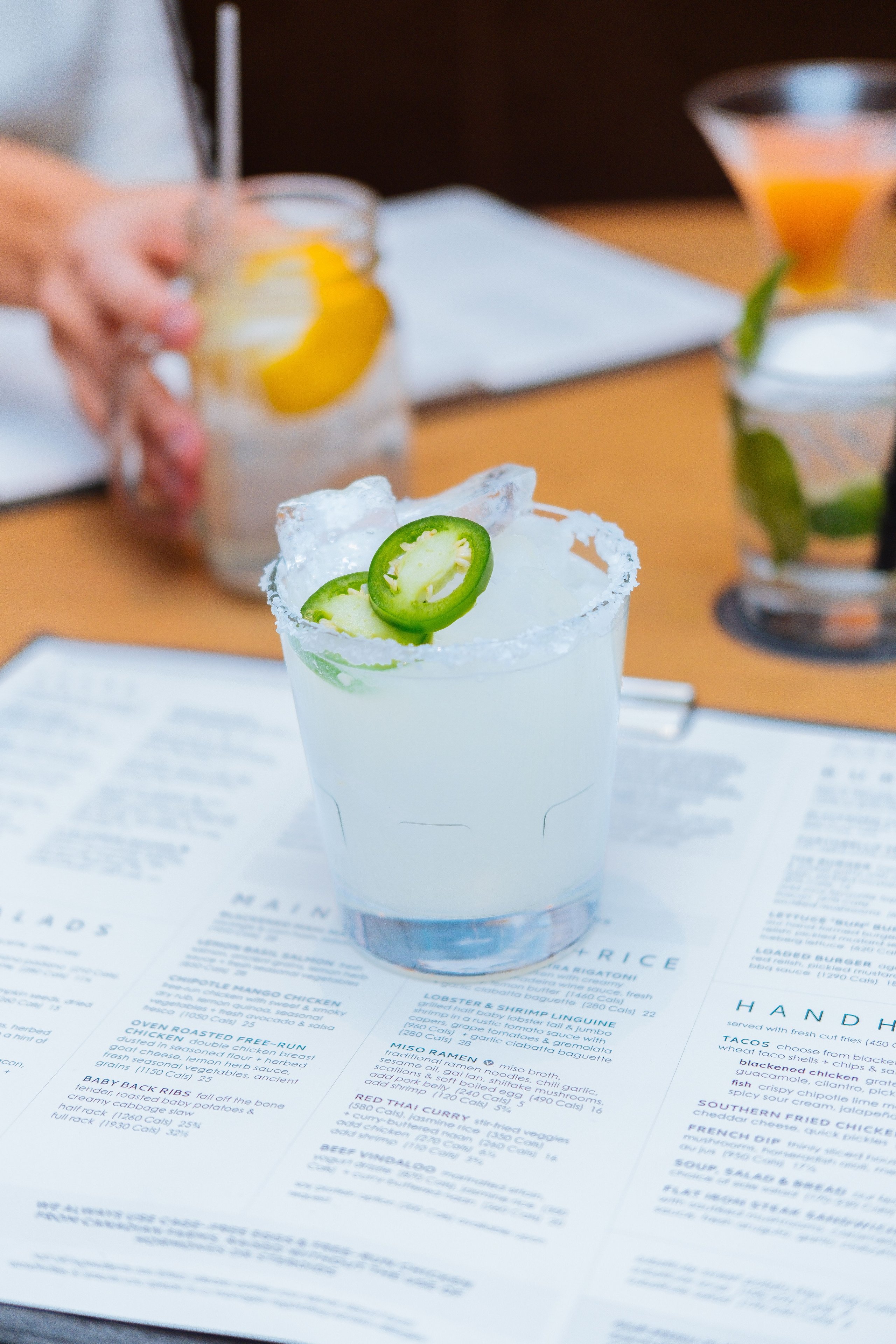
Spicy Vodka Mule
Spicy variations of cocktails are becoming increasingly popular. The Spicy Margarita and the Spicy Paloma have taken bars by storm, and the mule is a great candidate for the spice treatment. All it takes is a slice or two of jalapeño. The aroma here will be doing the heavy lifting. Do be sure to use fresh sliced jalapeño as well. Pickled jalapeños will add an unwelcome briny, sour note. A salt or tajín rim can help to lean in on the spice.
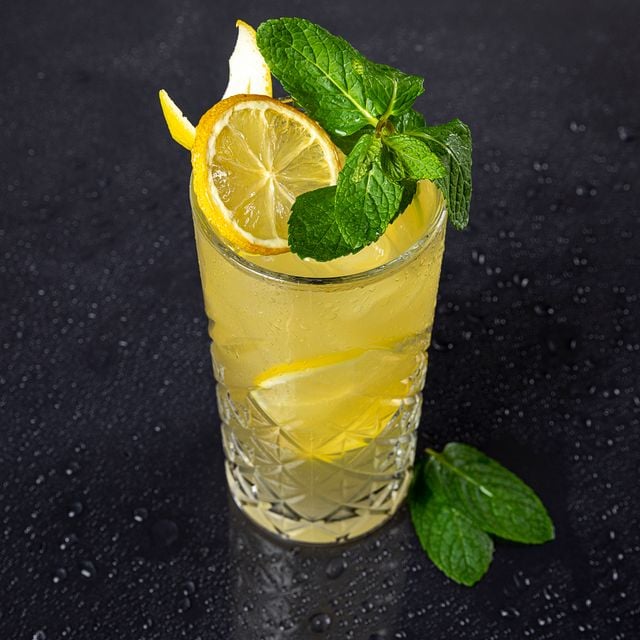
Citrus Vodka Mule
Add lemon or grapefruit, and the whole thing gets wider, softer, and a little sunnier while still keeping that mule backbone.
This is not creating a new drink from the ground up. It's just a subtle shift in flavor, which is part of the drink's appeal. A mule is easy to play with without losing what makes it good.
Vodka Mule vs Kentucky Mule
A Kentucky Mule is what happens when you swap vodka for bourbon. Just as the “Moscow” in Moscow Mule nods to vodka’s Russian origins, the “Kentucky” in Kentucky Mule nods to bourbon’s roots. Similarly, you should also refer to Kentucky Mule as a Bourbon Mule and you'll get identical results.
That bourbon swap does a lot of work.
A vodka mule is:
- Cleaner
- Lighter
- More neutral
- More ginger-and-lime forward
A Kentucky Mule is:
- Richer
- Deeper
- Slightly sweeter
- More spirit-driven
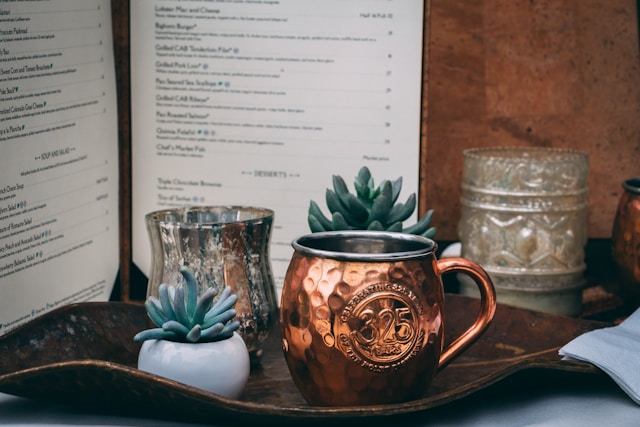
The Copper Mug Question
Some people think the drink has to be served in a copper mug to technically count as a Moscow Mule, but that’s incorrect. Yes, copper mugs are part of the cocktail's appeal. Still, they aren't mandatory.
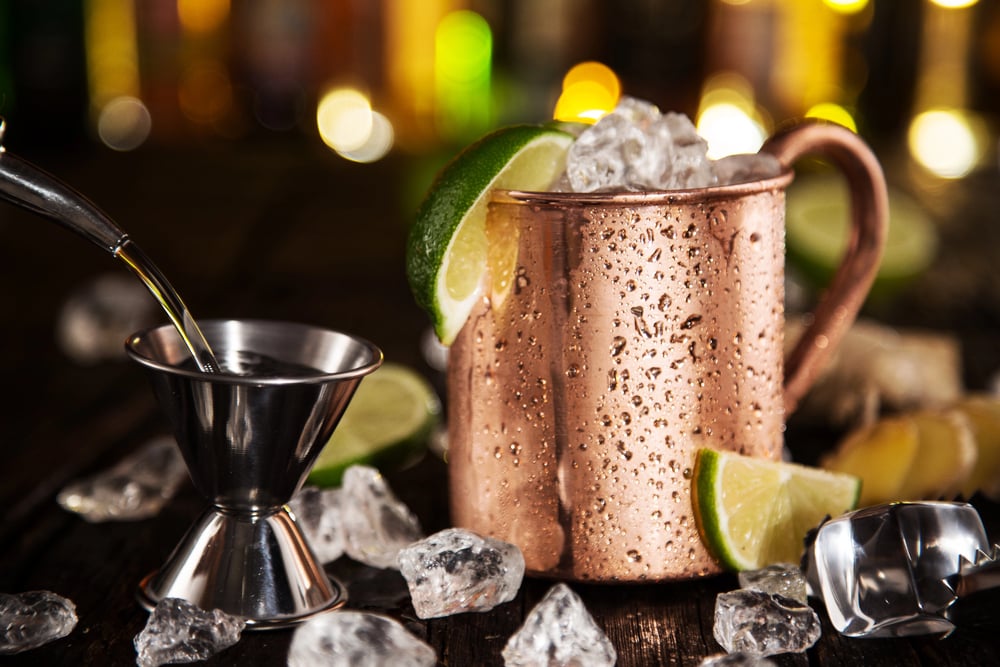
The classic cocktail made the mug famous, and it stuck. Part of the drink’s early popularity came from how distinctive it looked in the hand. Cold metal. Beaded frost. Lime on the rim. It's the kind of drink that announces itself when the bartender sets it down.
That visual identity dates back to the 1940s, when the drink was aggressively marketed in the U.S. and gained traction in cities like Los Angeles. The drink is widely said to have originated at the Cock’n Bull, in part because a salesperson with too many copper mugs needed a way to sell them.
Either way, a mule in an ordinary glass still qualifies as a mule. A Moscow Mule does not become a vodka mule just because it is served in regular glassware. Furthermore, you could also order a vodka mule and still get it served in the classic copper mug.
Ginger Beer vs Ginger Ale
While the copper mug is optional, ginger beer is not. Ginger beer has more bite, more backbone, and more character. Ginger ale is too soft and sweet. It fails to deliver the kick that gives the mule its name.
Not all ginger beers are the same, though. Some, like Goslings, are bolder and have a more distinct burn. Others, like Fever-Tree ginger beer, have a sweeter and more subtle finish.
The drink is simple enough that every ingredient shows up. So the ginger choice is not a small detail. It changes the whole shape of the drink.
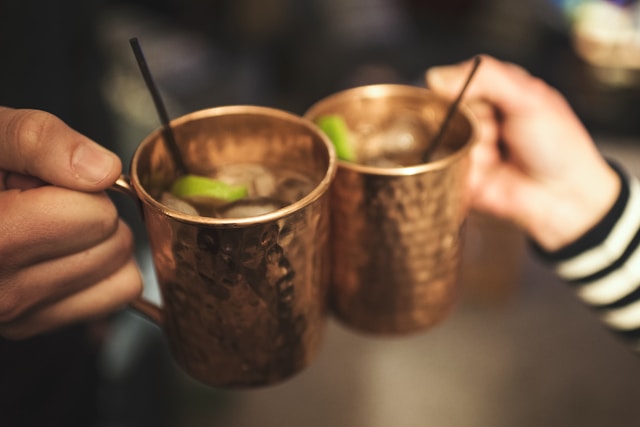
When to Call It a Vodka Mule vs Moscow Mule
Call it a Moscow Mule when you want the classic name, and call it a vodka mule when you want to keep things plain and simple. That's the entire decision.
At home, no one is going to care either way. On a menu, “vodka mule” may actually read better, especially if there are several mule options listed for guests. In editorial writing, “Moscow Mule” still carries more authority because it is the traditional term.
So the decision is less about correctness and more about context.
Why the Drink Still Hits
Some drinks stay interesting because they are complex. Usually, this comes at the cost of time and effort to make, but not so with the mule.
A Vodka Mule is easy to make, easy to love, and hard to mess up as long as you use decent ingredients. It provides chill, spice, acidity, fizz, and a clean spirit base in a single, effortless pour.
That's why this drink never really goes away. You can make it at home, find it at a fine dining restaurant, or even order it at a dive bar. It truly suits almost any occasion.
Final Take
Either name will work perfectly fine in just about any situation. Moscow Mule is the traditional, more commonly used name, but no one will look at you funny for ordering a vodka mule. Referrig to the drink by its base spirit can also be helpful for someone who doesn't immediately know what a Moscow Mule is off the top of their head.
It's the same cold, ginger-forward, lime-bright drink that people have been returning to for years. Use the traditional name, and it's a Moscow Mule. If you want the most literal name, order a vodka mule. You could even specify the brand, if you have a preference, and order up a Tito's Mule. Whoever is making your drink will know exactly what to do.


Comments 0
No Readers' Pick yet.